Energy Efficiency: How LED Permanent Lighting Saves on Bills
A quick guide from the licensed electricians at Merry Brothers Electrical Services. Running costs are estimates and vary with system size, settings, and electricity rates.
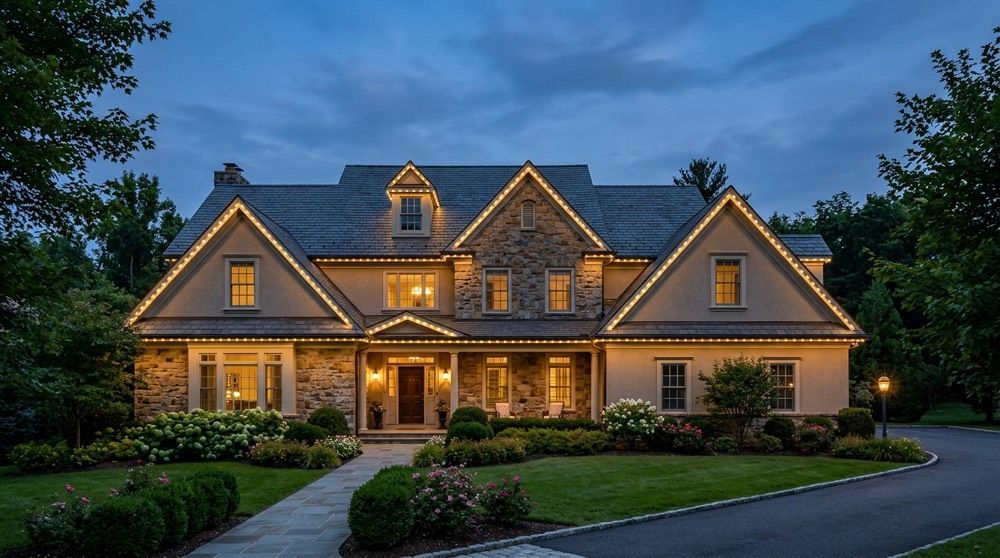
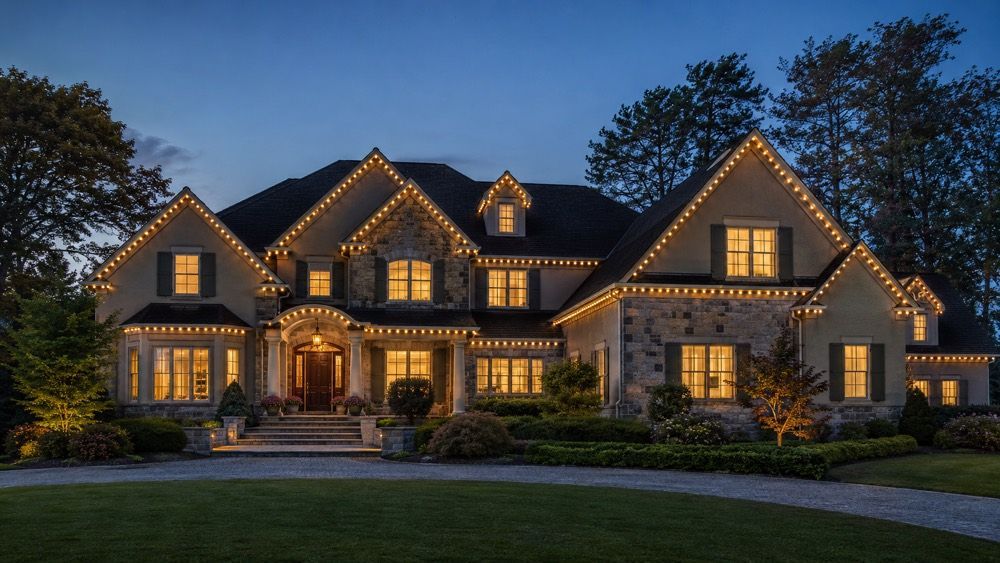
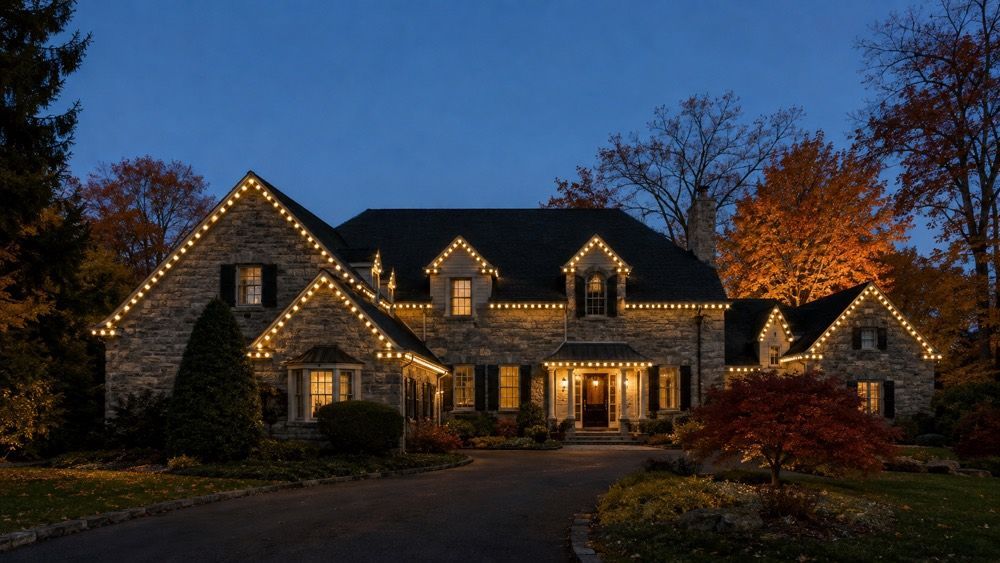
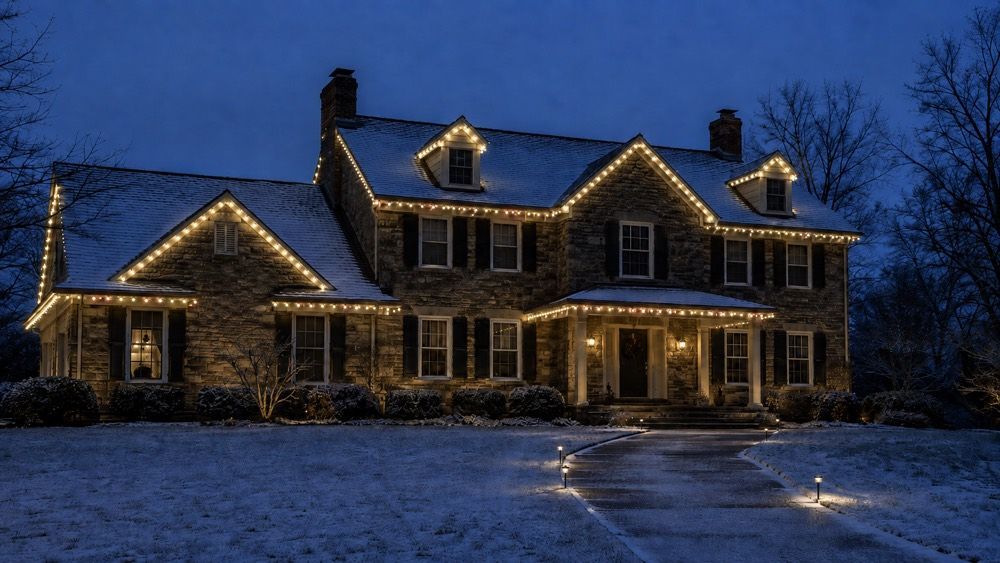
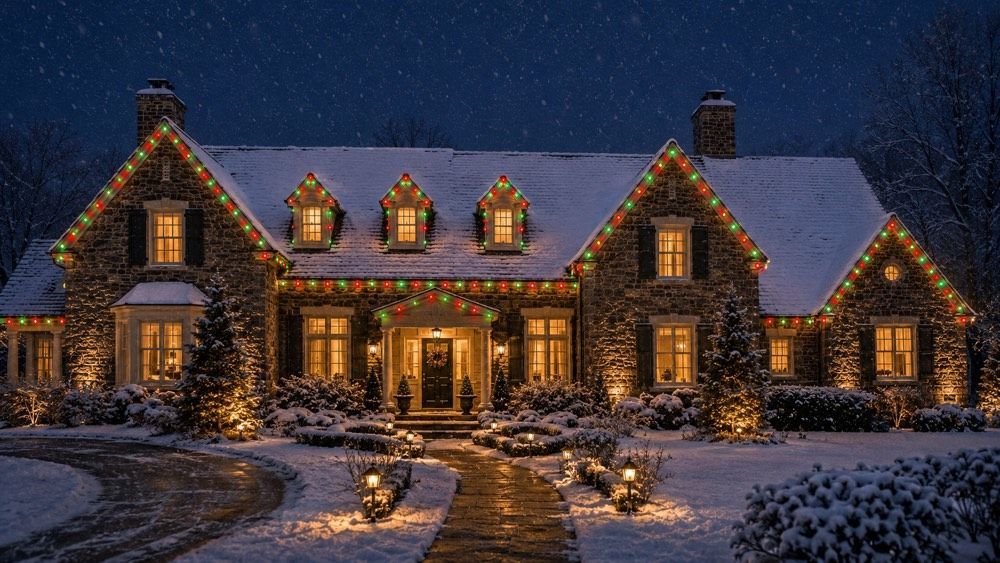
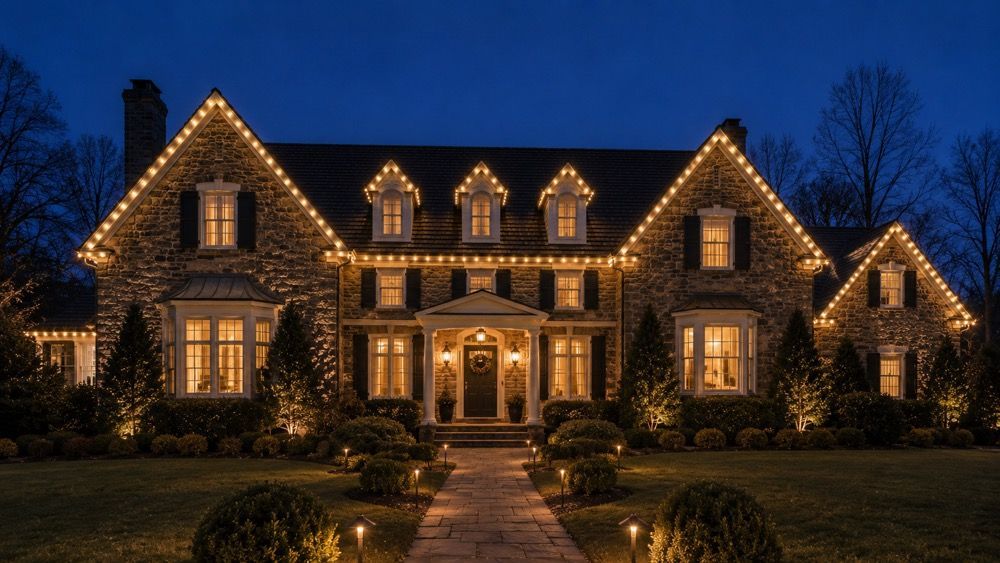
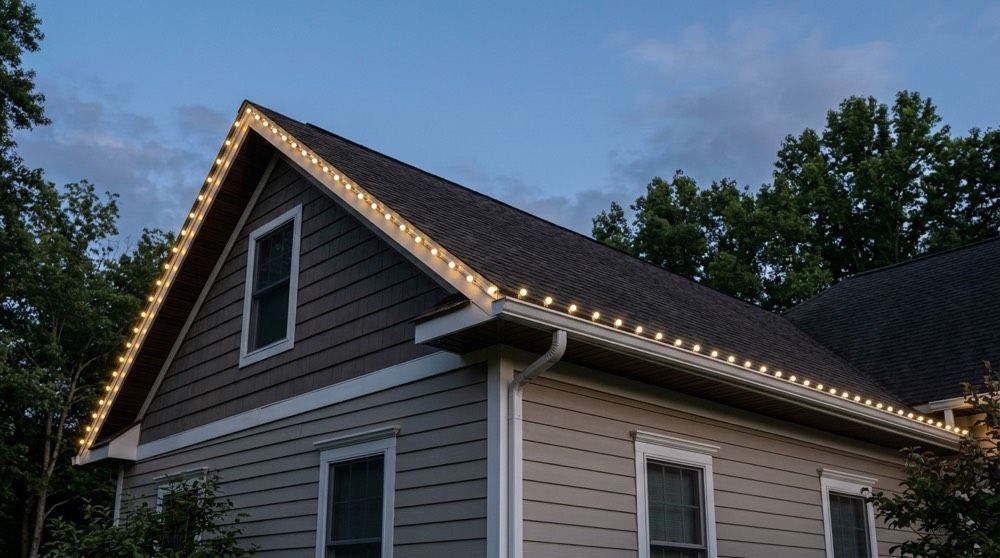
LED permanent lighting is highly energy efficient: a full Smart Roofline system draws only a few watts per bulb, so running your entire roofline outline typically costs just a few dollars a month — often less than a single strand of older incandescent holiday lights. Because the LEDs dim, schedule, and shut off on a timer, you pay only for the light you actually use.
How Much Does It Cost to Run Permanent LED Lighting?
Running a permanent LED roofline system usually costs only a few dollars a month, because the whole system draws far less power than most homeowners expect. Here is the rough math: a typical roofline of a few hundred LED bulbs might draw one to two hundred watts at full brightness — comparable to a couple of old incandescent bulbs. At Pennsylvania's average residential electricity price of roughly 18 cents per kilowatt-hour (U.S. Energy Information Administration, early 2024), running that system a few hours each evening lands in the low single dollars per month. For a modest 150-foot roofline on a Boyertown home, for example, an evening of warm-white light costs only pennies, and dimming pushes it lower still.
Why Do LEDs Use So Little Power?
LEDs use so little power because they convert far more of their energy into light and far less into wasted heat than older bulbs — the whole reason a full roofline can run on the power of a couple of traditional bulbs. According to the U.S. Department of Energy, LED bulbs can use as much as 90% less energy than incandescent lighting and last many times longer. Across a system that outlines your entire home, that efficiency compounds into lower nightly draw and a very long service life before any bulb needs attention.
Scheduling and Dimming to Cut Costs Further
You can push running costs even lower with scheduling and dimming — using the app to run the lights only when you want them and at the brightness you actually need. Set them to switch on at dusk and off at bedtime, dim everyday scenes rather than running at maximum, and reserve full-brightness color displays for holidays. Because every bulb is controllable, you never pay to light an empty street at 3 a.m. For the full system in context, read our complete guide to permanent outdoor lighting or visit our Smart Roofline permanent outdoor lighting service page.
Frequently Asked Questions
How many watts does a full Smart Roofline system use?
A full residential Smart Roofline system typically draws one to two hundred watts at full brightness, depending on the number of bulbs and the settings — roughly the draw of a couple of old incandescent bulbs for an entire roofline. At everyday dimmed, warm-white settings, the actual running draw is usually lower still.
Does leaving permanent lights on all night waste electricity?
It uses more than necessary, but far less than you might fear given how efficient LEDs are. The bigger savings come from scheduling: setting the lights to shut off at a set hour or dim overnight trims cost with no downside, so you keep an inviting evening look without running the system until dawn.
Do color displays use more power than plain white light?
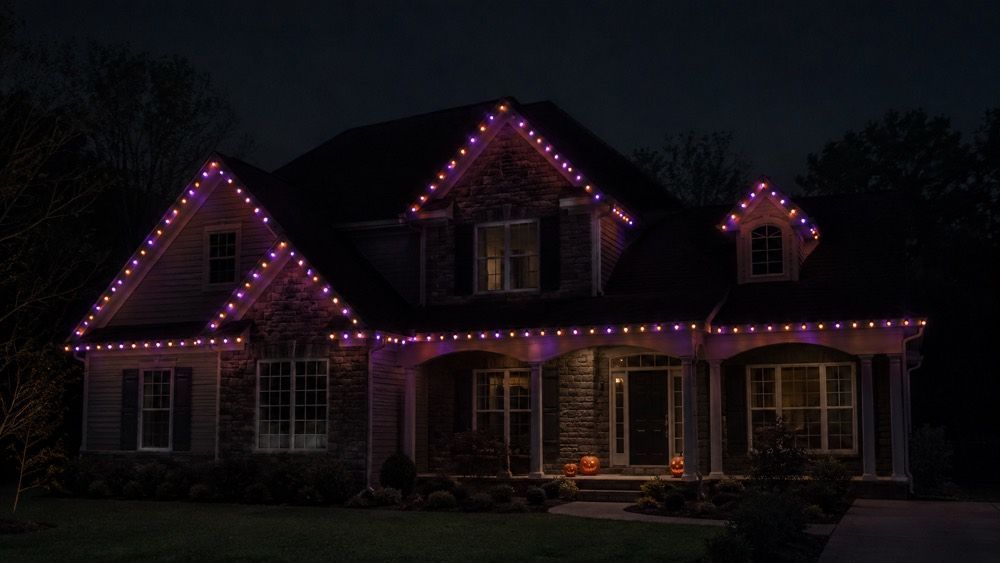
Color and animated displays can draw slightly differently than a simple warm white, but the difference is minor because every setting still runs on efficient LEDs. Brightness and run time affect your bill far more than color choice does, so an everyday dimmed white scene stays the most economical way to run the system.
Efficient Lighting, Year-Round
If keeping running costs low is part of your decision, Smart Roofline lighting is built for it — efficient LEDs plus full control over brightness and schedule. Merry Brothers, a family- and veteran-owned, Celebright-certified installer, can walk your Berks, Montgomery, or Bucks County home and show you the numbers.
By Matthew Merry, Merry Brothers Electrical Services. Matt is a U.S. Navy veteran, former Pennsylvania police officer, and licensed electrical contractor serving Berks, Montgomery, and Bucks counties.