What Permanent Outdoor Lighting Costs (and Why It's Worth the Investment)
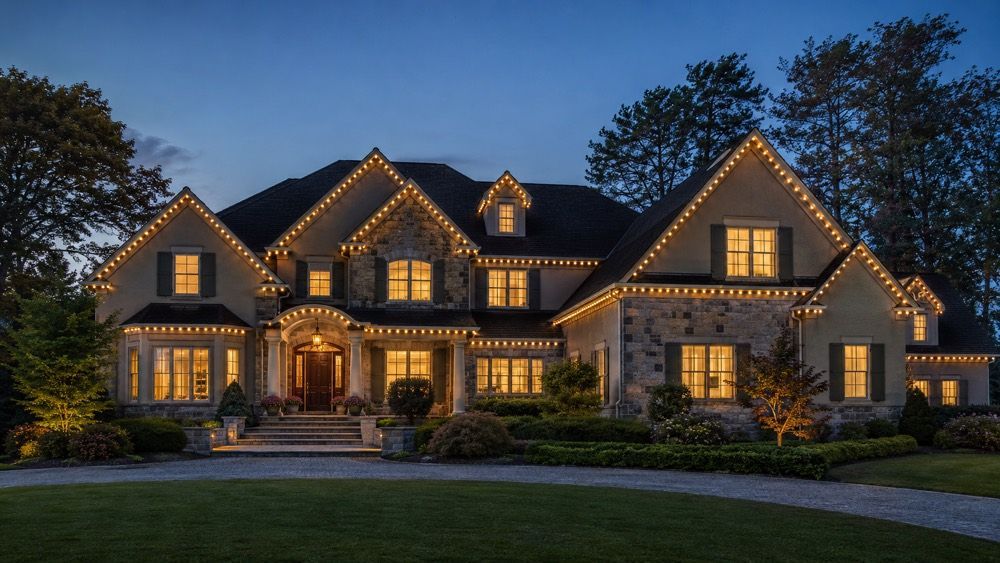
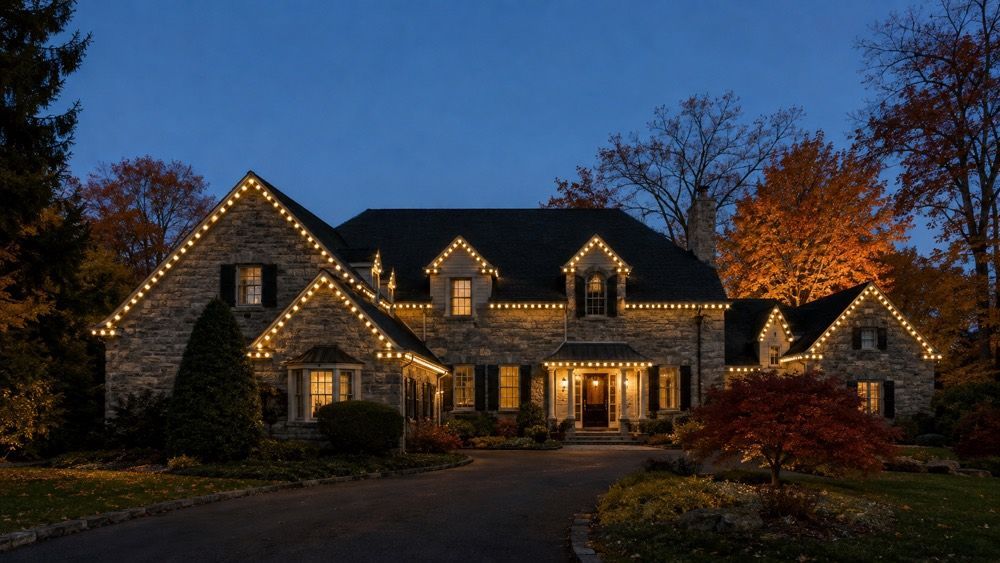
Permanent outdoor lighting cost in Pennsylvania is quoted per home rather than sold at a flat price, because it depends on the linear footage of roofline and the complexity of the architecture. What holds across homes is the value case: one professionally installed system replaces years of buying, hanging, and removing seasonal lights — and does far more — so the yearly cost lands below what most homeowners already spend.
Cost is the question every homeowner asks first, and it deserves a straight answer: there is no single price, but there is a clear way to understand what drives it and why the investment pays off. This guide breaks down what permanent outdoor lighting costs, what determines the price, how it compares to seasonal lighting, and whether it is worth it. For the broader overview of the technology, see our complete guide to permanent outdoor lighting.
What Does Permanent Outdoor Lighting Cost in Pennsylvania?
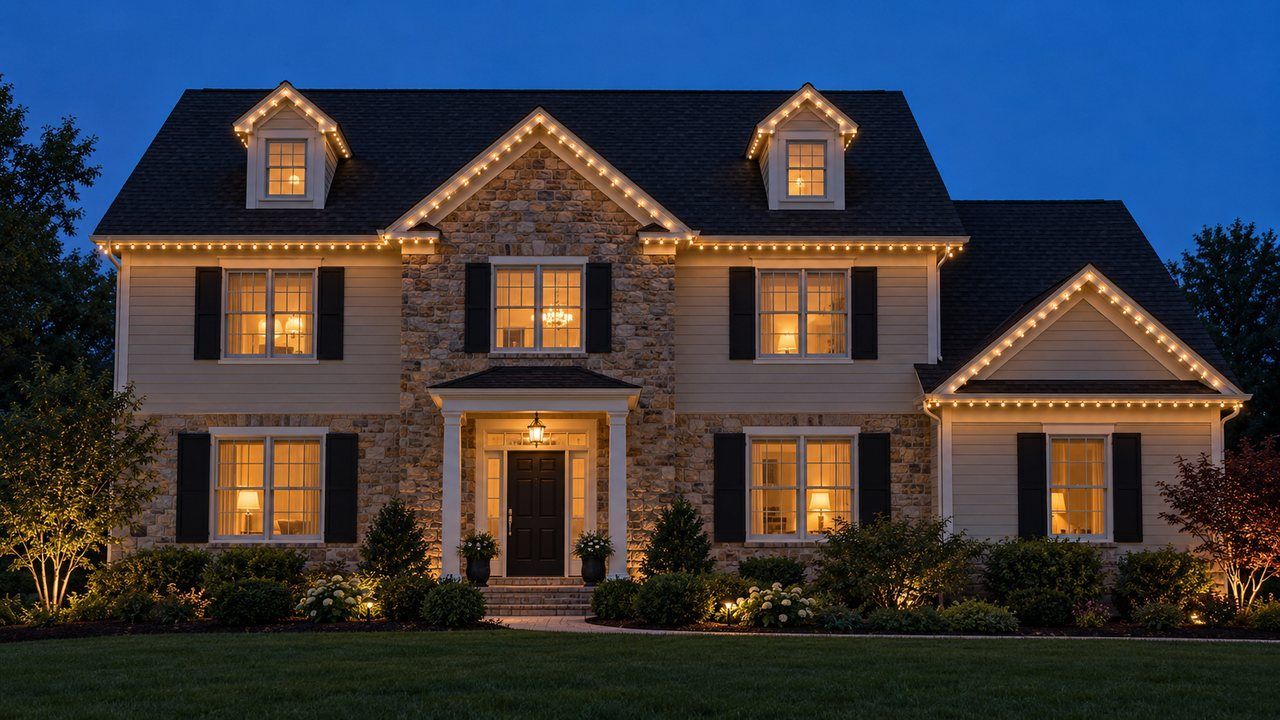
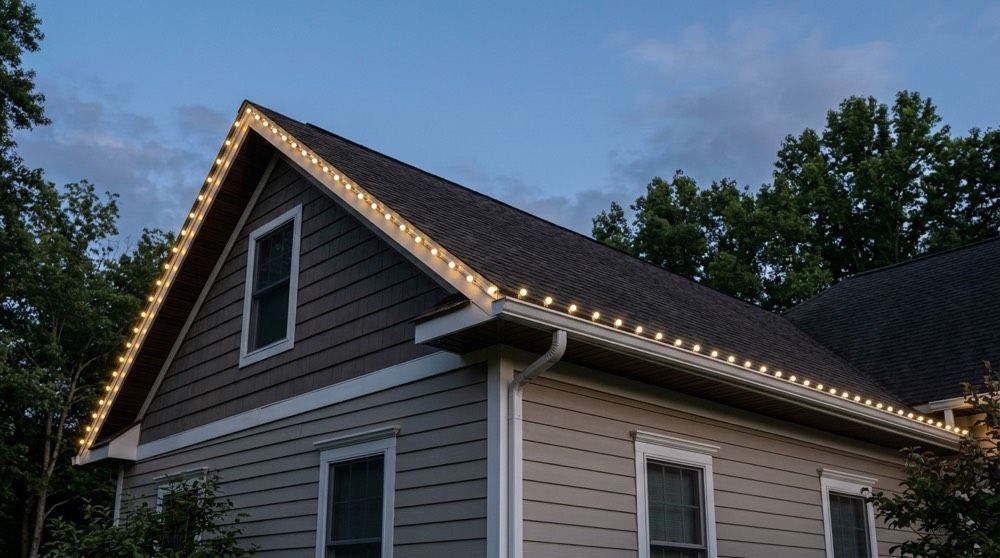
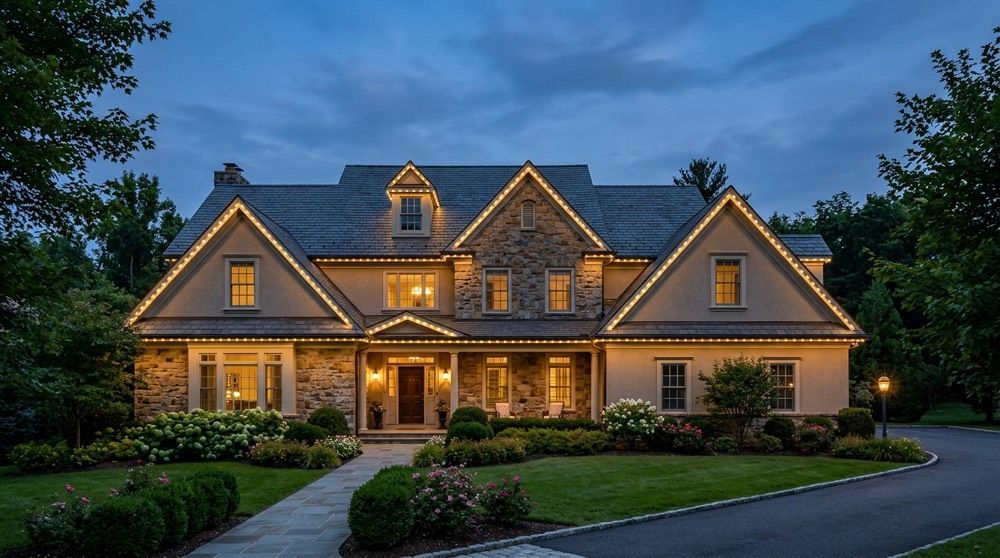
Permanent outdoor lighting is priced from a site visit, not a flat rate, because the two biggest cost drivers — how much roofline is covered and how complex the home's architecture is — vary from house to house. A single-story ranch with a simple roofline sits at the lower end; a large two-story home with many gables, dormers, and peaks requires more track, more labor, and more careful routing, which raises the figure.
Rather than quote a number that will not apply to your home, Merry Brothers measures the roofline, plans the run, confirms the power source, and gives you a written quote before any work begins. The quote you sign is the price you pay, and any change is re-quoted in writing first. That way the "cost" is a real figure for your specific house, not a range you have to guess your way through.
What Determines the Price of a Permanent Lighting System?
The price is set mainly by the size and shape of what needs to be lit. A handful of concrete factors move the number up or down, and understanding them helps you see where your quote comes from. None of them are arbitrary — each reflects real material and labor.
The main drivers are the linear footage of roofline to be covered; the number of stories and the height and pitch of the roof, which affect access and labor; architectural complexity such as multiple gables, dormers, and directional changes that require more track and more precise mounting; and the electrical work involved in establishing a safe power source and code-compliant, GFCI-protected connections. A home with a long, articulated roofline in a community like Bryn Mawr on the Main Line naturally carries a different quote than a compact modern home — not because of the address, but because of the linear footage and detail involved.
How Does the Cost Compare to Professional Seasonal Lighting?
Compared over several years, a permanent system typically costs less than repeatedly paying for professional seasonal lighting — and delivers far more. The honest comparison is not one December against a permanent install; it is the full, recurring cost of seasonal lighting over time against a single one-time investment. Season after season, seasonal lighting is money spent with nothing to show for it at the end.
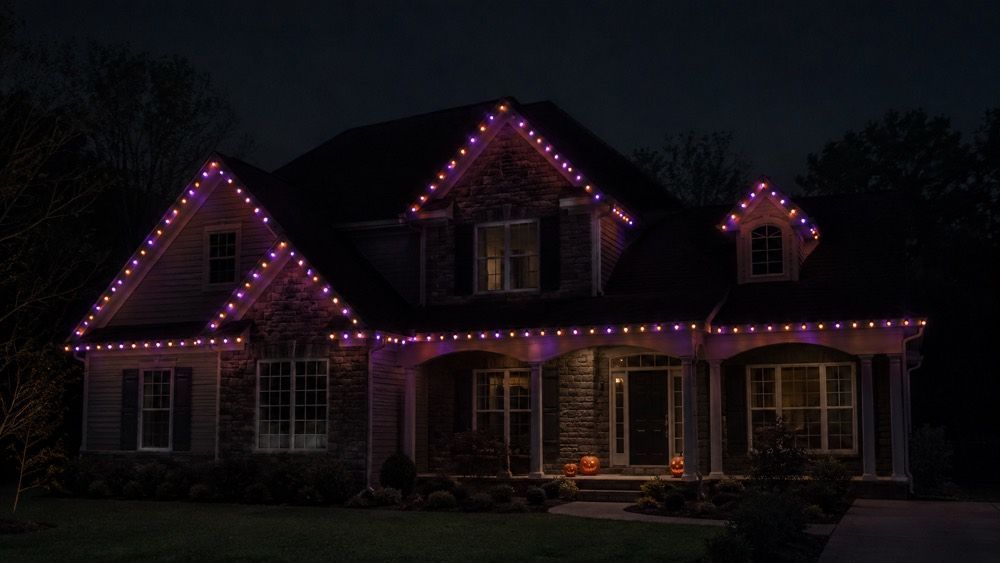
A homeowner who hires a crew to install and remove professional Christmas lights is paying for labor twice a year, plus new or replacement product, and getting roughly six weeks of December display for it. That same spend, accumulated over several years, covers a permanent system that lights not only Christmas but Halloween, the Fourth of July, and every ordinary evening in between — and never has to come down. The recurring expense becomes a one-time asset on the home.
What Does the Cost Look Like Spread Over the System's Life?
The most useful way to judge cost is per year of use, not as a single sticker figure — and on that basis a permanent system looks very different from a one-time expense. Because it is engineered to last well over a decade, the installed price divides across many years of nightly curb appeal, holidays, and accent lighting rather than landing all in one season.
Set it beside the seasonal alternative a homeowner already accepts. Paying a crew to install and remove professional Christmas lighting each season means two labor charges a year plus periodic product replacement, repeated indefinitely with nothing owned at the end. A Doylestown homeowner who spends on that every winter is effectively renting six weeks of December display, year after year. Redirect several years of that same spending into one permanent installation and the math inverts: the cost becomes an owned feature of the home that covers Halloween, the December holidays, the Fourth of July, and everyday evenings — and keeps working long after repeated seasonal payments would have kept accumulating. Viewed across the system's full life, the per-year cost of permanent lighting generally lands below what many homeowners already pay for less capable seasonal lighting, which is the heart of the value argument.
How Much Does Permanent Outdoor Lighting Cost to Run?
Operating cost is low because the entire system runs on LEDs. According to the U.S. Department of Energy, residential LEDs use at least 75% less energy than incandescent lighting and last up to 25 times longer (U.S. Department of Energy, LED Lighting). That efficiency is what makes a permanently mounted, nightly-use system practical in the first place.
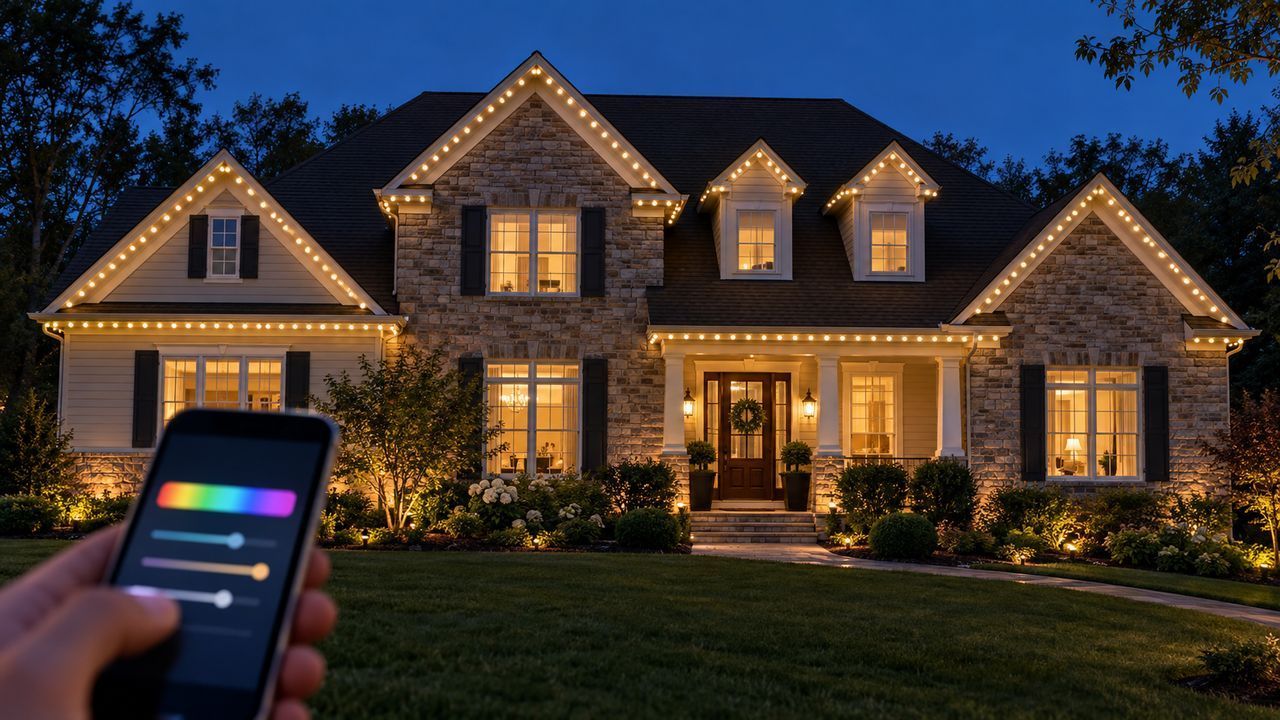
You also control exactly how the system runs. Scenes can be dimmed, scheduled to shut off at a set hour, or run only on the nights you want them, so consumption stays modest even with everyday use. The result is a system you can leave on for curb appeal most evenings without a meaningful impact on the monthly bill — a very different equation than running strings of older incandescent holiday bulbs.
Does Permanent Outdoor Lighting Pay for Itself?
It pays for itself primarily by eliminating recurring costs, not by cutting a check back to you. Every year a permanent system is on the house, it removes an expense you would otherwise repeat: new light sets, professional hang-and-remove labor, and replacement of weather-damaged strings. Spread across the decade-plus the system is built to last, the cost per year of use falls below the seasonal alternative.
There is a second, softer return in what the system replaces in effort and risk. It removes the annual ladder work, the storage, and the December scramble, and it does the work of several separate purchases — holiday lighting, architectural accent lighting, and after-dark security lighting — with one installation. When homeowners ask whether it "pays for itself," the most accurate answer is that it stops you from paying repeatedly for less.
Does Permanent Lighting Add to Home Value?
Permanent lighting supports home value mainly through curb appeal, which real-estate professionals treat as central to a strong sale. A clean, architecturally integrated lighting scheme gives a home a polished nighttime presence in every listing photo and twilight showing, in any month the home goes on the market — something seasonal lights can only deliver for a few weeks a year.
The effect is strongest in design-conscious corridors like the Main Line, the Bucks County boroughs, and Blue Bell, where buyers expect that level of exterior detail. A permanent system reads as a built-in feature of the home rather than an add-on, and because it is always ready, it never depends on the season to present the property at its best. Value here is about presentation and buyer impression, not a guaranteed dollar figure.
Can You Finance a Permanent Outdoor Lighting System?
Payment options are worth asking about directly during the consultation, since the right approach depends on the scope of your project. Because permanent lighting is a one-time investment rather than a recurring seasonal cost, many homeowners weigh it the way they would any home improvement — against the years of seasonal spending it replaces.
The most useful step is a written quote for your specific home, which turns an abstract "how much does it cost" into a concrete figure you can plan around. From there, Merry Brothers can walk you through what is included and answer questions about payment. Start with a Smart Roofline consultation.
What's Included in the Price?
The price covers a complete, code-compliant installation from design to a working, programmed system — not just the lights. Knowing what is included helps you compare a professional quote against a cheaper, less complete offer, where the difference usually hides in the parts you cannot see.
A Merry Brothers installation includes the site visit and roofline design, the low-profile track and Celebright LED components, concealed wiring with GFCI protection and weather-sealed connections, app setup with your first saved scenes, and drone documentation of the finished roofline on completed installs. It is backed in writing with a 5-year warranty on the lights and a 3-year warranty on the workmanship — the written workmanship warranty being the part a seasonal crew cannot match, because it stands behind the wiring and mounting, not just the product.
Frequently Asked Questions
Is permanent outdoor lighting cheaper than paying for Christmas light installation every year?
Over several years, usually yes. Professional seasonal lighting means paying for installation and removal labor twice a year plus new or replacement product, with nothing retained at the end. A permanent system is a one-time investment that, spread across the decade-plus it lasts, typically costs less per year — and covers Halloween, the Fourth of July, and everyday curb appeal on top of Christmas.
Does a permanent lighting system add to my home's resale value?
It supports value through curb appeal, which real-estate professionals consider important to attracting buyers. A permanent system gives the home a polished nighttime look in every listing photo and evening showing, year-round. In design-conscious markets like the Main Line and Bucks County, that reads as a built-in feature buyers expect, though the benefit is presentation and impression rather than a fixed dollar amount.
Can you finance a permanent outdoor lighting installation?
Ask about payment options during your consultation, since the best approach depends on the size of the project. The most practical first step is a written quote for your specific home, which gives you a concrete figure to plan around. Many homeowners weigh that one-time cost against the years of recurring seasonal-lighting spending it replaces.
What is included in the price of a permanent lighting installation?
A complete installation includes the roofline design, the track and Celebright LED components, concealed and GFCI-protected wiring, weather-sealed code-compliant connections, app setup with your first scenes, and drone documentation on completed installs. Merry Brothers backs it with a written 5-year warranty on the lights and a 3-year warranty on workmanship — coverage that stands behind the wiring and mounting, not only the product.
Why does a professional installation cost more than a cheap light-hanging offer?
Because you are paying for permanent, code-compliant electrical work, not a seasonal hang. A professional quote includes a safe power source, GFCI protection, weather-sealed connections, concealed wiring, and a written workmanship warranty — the parts that determine whether the system lasts and stays safe on the house for years. A cheaper offer usually leaves those out, which is exactly where problems and repeat costs appear later.
Get a Written Quote for Your Home
Permanent outdoor lighting is quoted per home for a reason — the only accurate number is the one measured against your roofline. What is consistent is the value: one investment that replaces years of seasonal spending and does far more. As a Celebright Silver-certified installer and a licensed Pennsylvania electrical contractor, Merry Brothers gives you a written quote up front and backs the work in writing. Call 484-261-5590 or book a consultation for your home's exact figure.